


How could a gym complement a regular workout routine or professional practice?
A gym can really complement my regular workout routine and professional practice in several ways. Firstly, it offers a wide variety of equipment and machines that allow me to target specific muscle groups more precisely than on the field. For example, by using free weights, weight machines, or even resistance bands, I can strengthen specific areas of my body, such as the quadriceps, hamstrings, or core muscles, which are essential for improving my performance and preventing injuries.
Secondly, the gym gives me the opportunity to diversify my training with cardio exercises, such as cycling or rowing, which are excellent for maintaining good overall physical condition and optimal lung capacity. It's also a good way to actively recover after intense matches.
Finally, it's also a space where I can work on more specific aspects like explosiveness and power, thanks to plyometric exercises or high-intensity training. All of this not only helps me get in better shape but also become faster and more agile on the field.
And beyond the physical aspect, going to the gym also allows me to change my environment and maintain motivation by varying my training sessions. It's also a time when I can focus solely on myself, which is important for my mental well-being. So, for me, the gym is an indispensable complement to on-field training.
What do you think are the main advantages of having a dedicated home training space compared to using public or shared facilities?
For me, having a dedicated home training space offers several advantages compared to using public or shared facilities. First of all, there's the issue of convenience and flexibility. Being able to train at home means I can organize my sessions according to my personal schedule, without having to worry about gym opening hours or booking constraints.
Next, intimacy and concentration are important aspects. Having my own training space allows me to fully concentrate on my exercises without distractions. This is particularly useful for working on specific techniques or for rehabilitation sessions after an injury, where attention to detail is crucial.
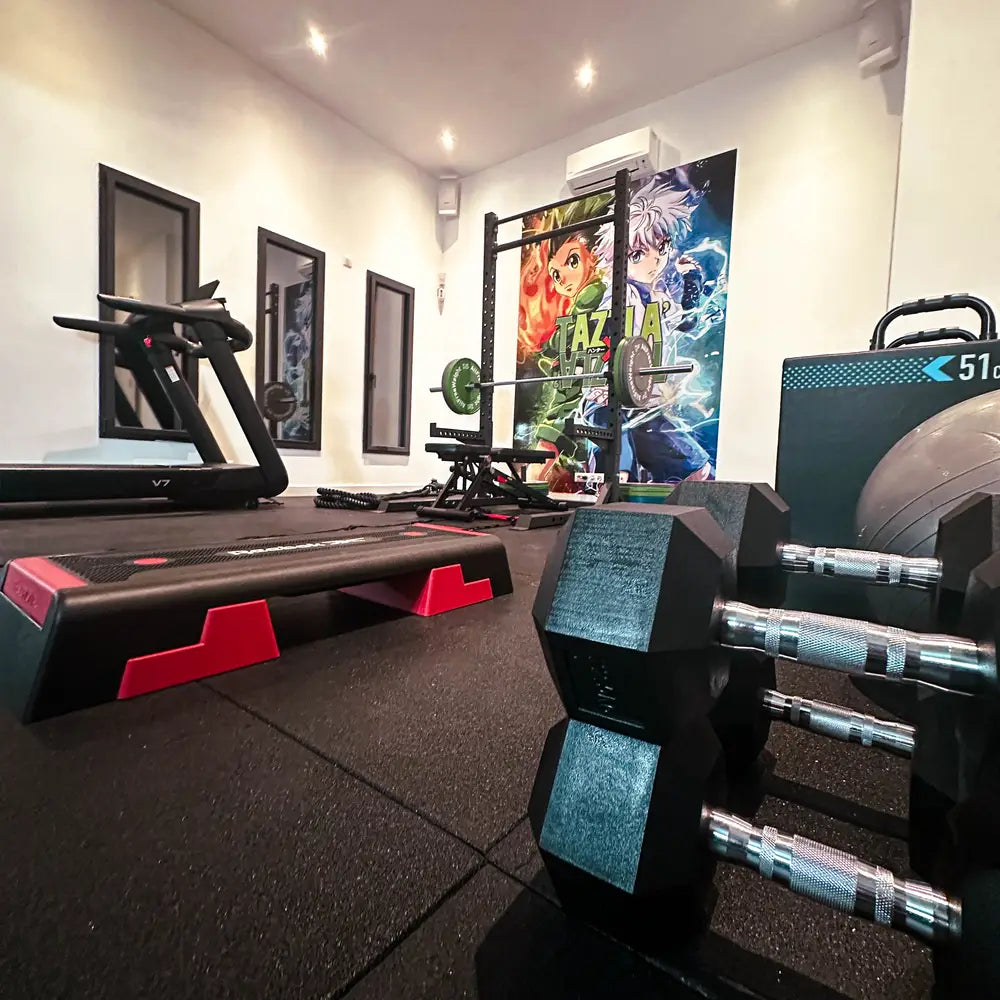
There's also the aspect of personalization. At home, I can set up my space according to my specific needs. Whether it's for installing weight training equipment, cardio machines, or even a space for recovery and stretching, everything can be adapted to my personal goals. This allows me to maximize the effectiveness of each training session.
Finally, there's a psychological aspect to consider. Training at home can be much more motivating for some, as it eliminates logistical obstacles and allows for a more stable routine. It's also an environment where I feel comfortable, which can contribute to better overall performance.
In summary, having a home training space offers unparalleled freedom and flexibility, allowing for total personalization and optimal concentration, which is essential for a professional athlete.
How could a gym contribute to maintaining an optimal level of physical fitness or achieving specific goals?
A gym can play a crucial role in maintaining an optimal level of physical fitness and achieving specific goals. First and foremost, the varied equipment available in a gym allows for working on all aspects of physical condition. For example, weight machines and free weights are ideal for developing strength and muscular power, which is essential for high-level athletic performance. Cardio equipment, such as treadmills, bikes, and rowing machines, helps improve endurance and cardiovascular capacity.
Next, the gym offers a structured and motivating environment. Being surrounded by other people who are training can create an atmosphere of motivation and camaraderie that encourages pushing oneself further. Furthermore, group classes and personal trainers available in many gyms can provide specialized training programs and professional guidance. This is particularly useful for setting and achieving specific goals, whether it's losing weight, gaining muscle, or preparing for a competition.
The diversity of exercises possible at the gym also helps prevent monotony and overtraining. Varying the types of exercises and training methods allows for targeting different muscle groups and maintaining constant interest in training, which is crucial for continuous progress.
Finally, a gym often offers equipment and facilities for recovery and rehabilitation, such as pools, saunas, and areas dedicated to stretching and mobility. This helps prevent injuries and ensures adequate recovery after intense training sessions or matches.
In summary, the gym is an indispensable tool for maintaining optimal physical fitness and achieving specific goals thanks to its varied equipment, motivating environment, and the opportunities for guidance and recovery it offers.
What types of equipment or facilities do you consider essential in a personal gym to optimize performance or results?
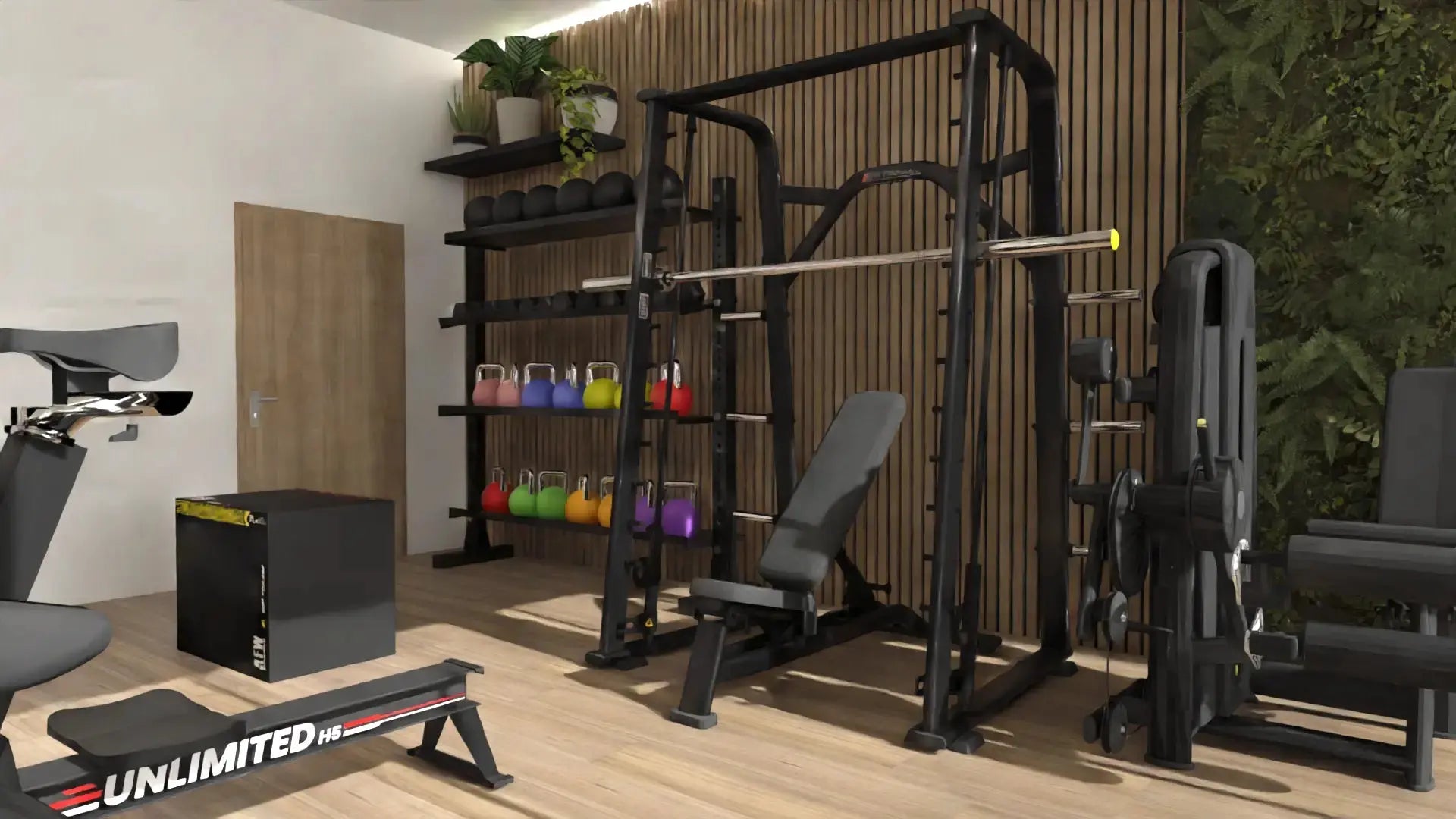
To optimize performance or results in a personal gym, there are several types of equipment and facilities that I consider essential. First of all, free weights such as dumbbells and kettlebells are indispensable. They allow for a wide variety of exercises to develop strength, balance, and coordination. Free weights are versatile and can be used for compound exercises that engage several muscle groups at once.
Next, a squat rack or power cage is essential for safely performing fundamental movements like squats, deadlifts, and bench presses. These exercises are crucial for strength and power, which is vital for a soccer player.
A treadmill or exercise bike is also important for cardiovascular training. This equipment allows for working on endurance and cardiovascular capacity, essential for maintaining a high level of performance during matches.
Weight training equipment such as a cable machine or pulley is also very useful for targeting specific muscles and performing more controlled movements. They offer a wide variety of exercises to work on strength and muscular endurance in a balanced way.
For recovery and injury prevention, accessories like foam rollers, massage balls, and resistance bands are indispensable. They allow for working on mobility, releasing muscle tension, and performing dynamic or static stretches.
Finally, an open space for bodyweight exercises and stretching is crucial. This space can be used for plyometrics, yoga, or HIIT (High-Intensity Interval Training) sessions, all of which are important for agility, flexibility, and overall physical condition.
In summary, a well-equipped personal gym should include free weights, a squat rack, cardiovascular equipment, cable machines, recovery accessories, and an open space for bodyweight exercises. These elements allow for covering all aspects of training necessary to optimize performance and achieve specific results.
How could a gym impact your commitment to your training program or professional practices?
A gym can have a significant impact on my commitment to my training program and professional practices. First, access to a well-equipped gym allows me to diversify my training sessions. The variety of available equipment, such as free weights, strength training machines, cardio equipment, and recovery accessories, enables me to design comprehensive and balanced training programs. This diversity prevents monotony and maintains my interest and motivation in the long term.
Moreover, the gym environment plays a crucial role. Being surrounded by other athletes or motivated individuals creates an atmosphere of camaraderie and healthy competition. This pushes me to surpass myself and stay focused on my goals. The positive energy and mutual support in a gym can truly strengthen my commitment to my training program.
Access to professional trainers and group classes is another important advantage. Trainers can provide personalized advice, correct my technique, and help me set realistic and achievable goals. Group classes, on the other hand, offer structure and a framework that can improve the regularity and discipline of my training.
The gym also offers a dedicated and structured space for training, which is essential for concentration and effectiveness. When I am at the gym, I am in an environment specifically designed for physical activity, which minimizes distractions and allows me to fully focus on my exercises. This increases the intensity and quality of my training sessions.
Finally, commitment to a training program is often reinforced by measuring and tracking progress. Many gyms have modern equipment that allows for monitoring performance, measuring progress, and adjusting training programs accordingly. Seeing tangible and measurable improvements strengthens motivation and commitment.
In summary, a gym can greatly impact my commitment to my training program thanks to the diversity of equipment, the motivating environment, access to professionals, the dedicated training space, and the possibilities for tracking progress. All of this contributes to maintaining a high level of motivation and optimizing my professional performance.